
Latest board games
Chess crossed with Magic the Gathering, in a box way bigger than a two-player duel game has any business being, and a real sink for anyone who starts buying faction decks.
Chip Theory Games takes the Too Many Bones formula, opens the combat map up into hexes, and builds the best boardgame-as-RPG-replacement I've found, for a genuinely serious price.
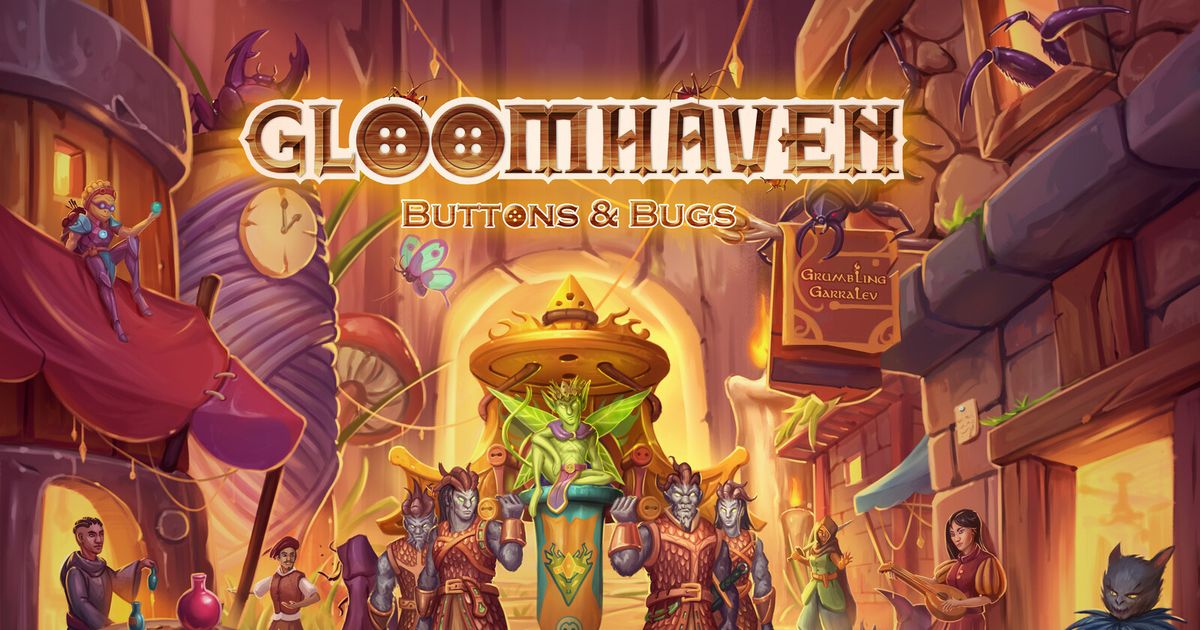
A genuinely tiny Gloomhaven that fits in a jacket pocket, small enough that the components fight you and the online-only rulebook fights you right back.
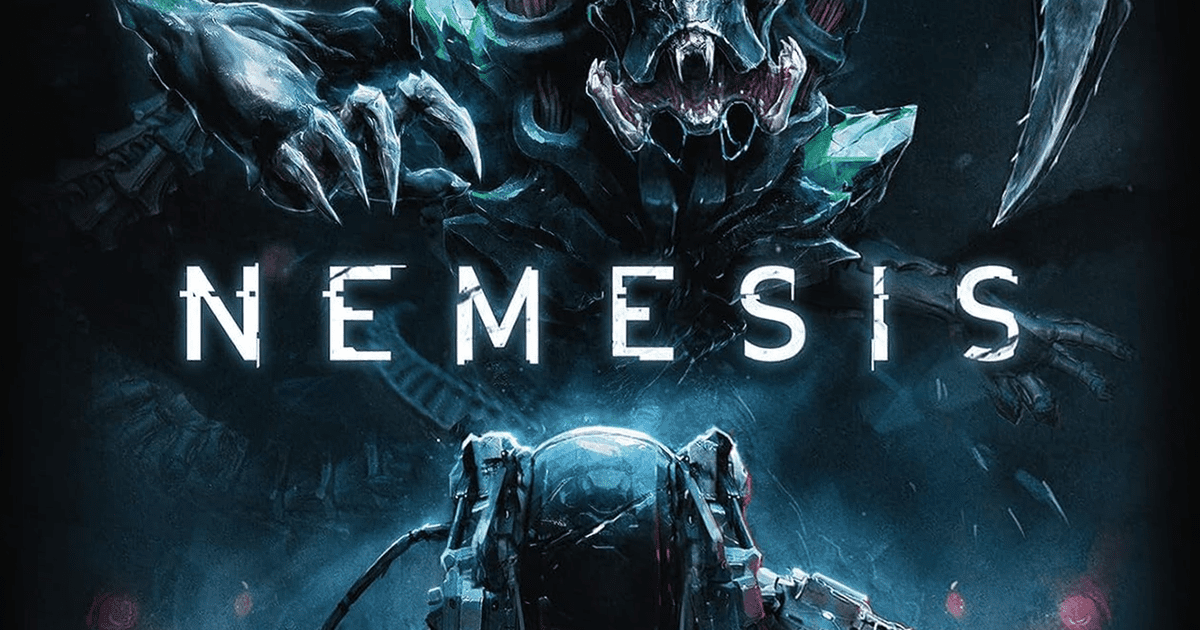
A semi-cooperative alien horror survival game where the tension comes from not knowing who's actually trying to help you, undercut only by how little a player can directly do about that.
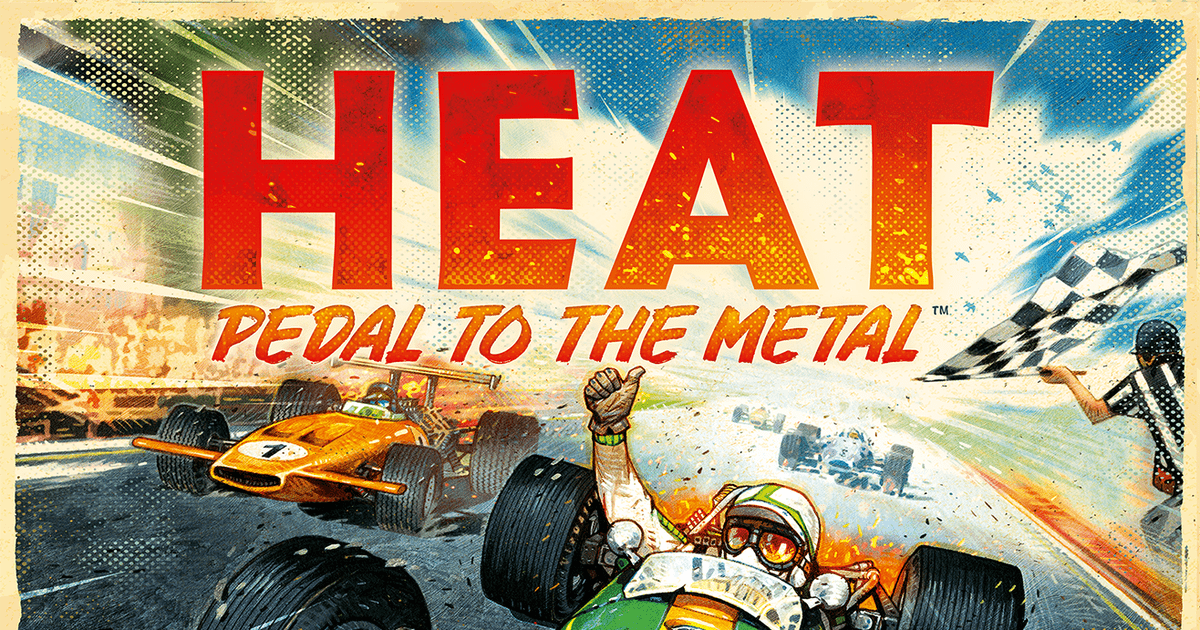
A hand-management racing game that gets compared to Flamme Rouge constantly, and mostly earns the comparison, plus a tournament mode that's basically two games in one box.
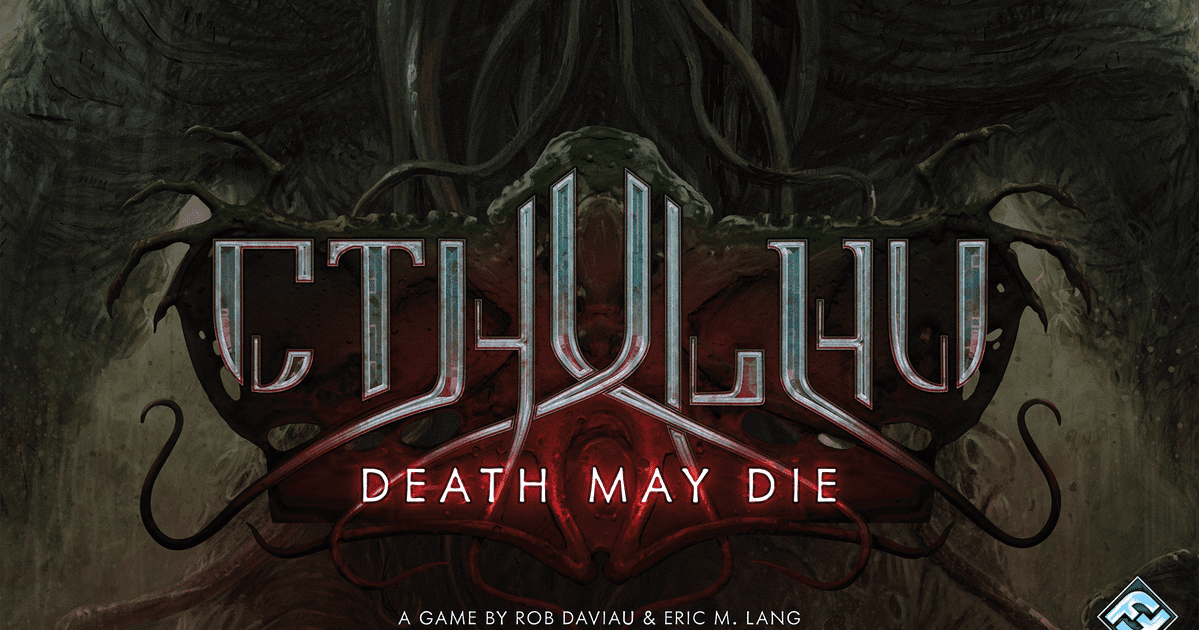
A cooperative dungeon crawler with genuinely great miniatures and a Cthulhu theme that's mostly cosmetic, tiles that get cramped fast once the monsters start piling up.
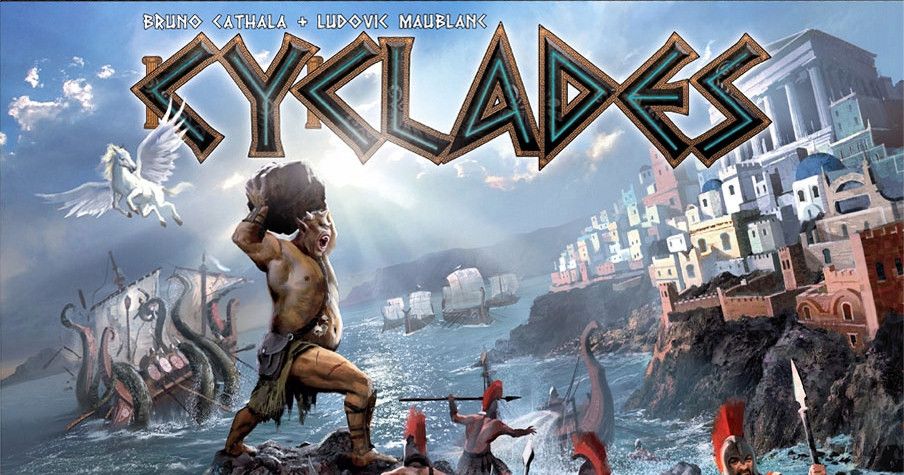
An auction and area control game about currying favor with Greek gods, good enough that the box's sheer size is the main thing standing between it and a permanent shelf spot.
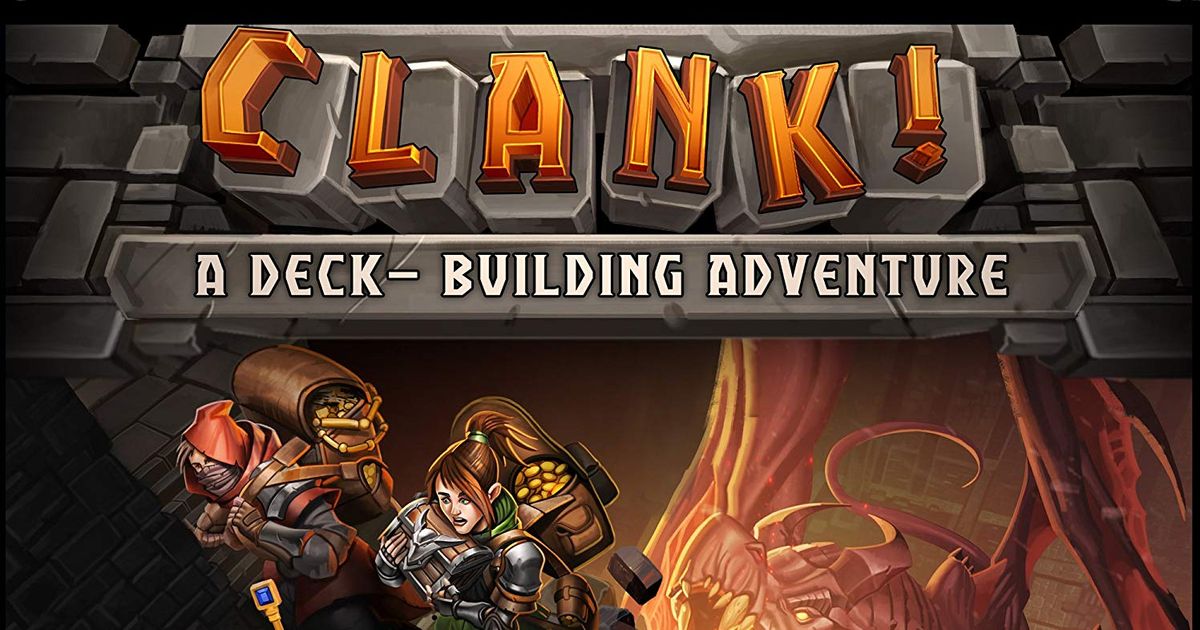
A deck-building dungeon crawl with a push-your-luck noise bag underneath it, fun and tense right up until you notice how little the other players at the table are actually doing to you.
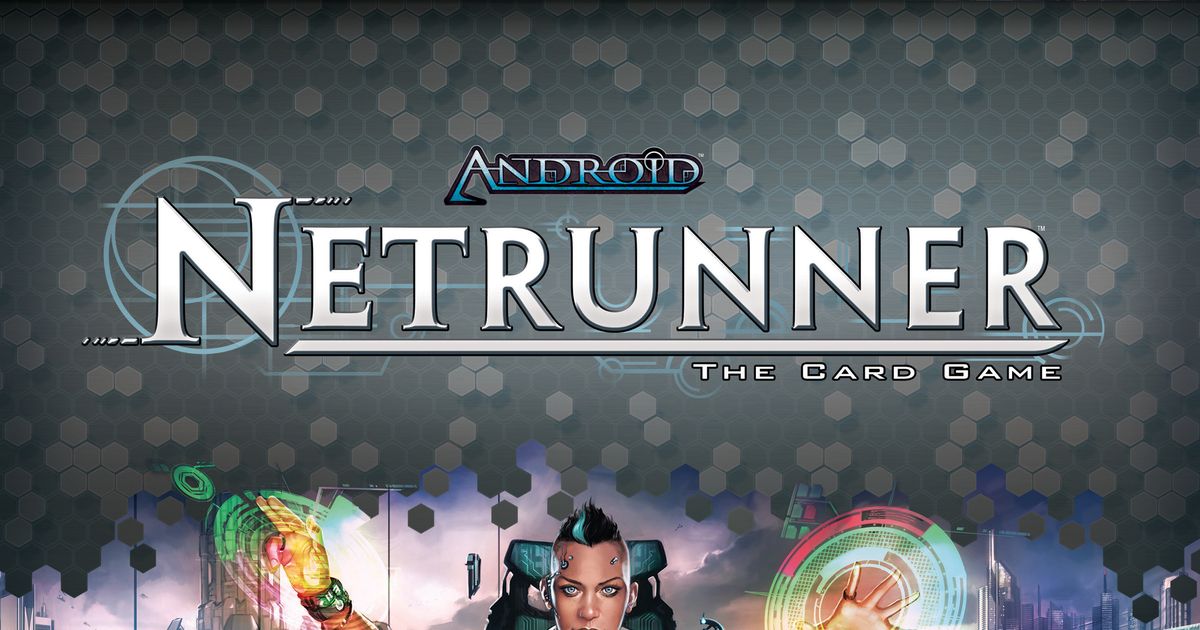
A cyberpunk hacker-versus-megacorp card game with genuinely asymmetric sides, undercut a little by jargon that exists mostly to justify a thin theme.
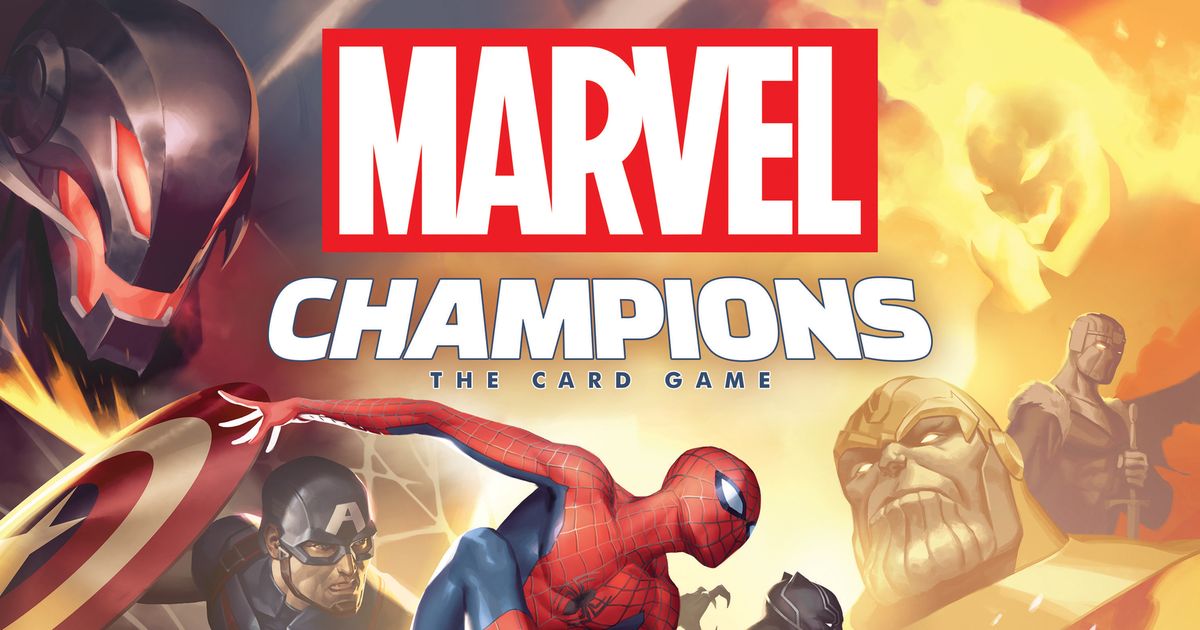
The best solo card game on my shelf right now, built for one hero at a time against a villain, and a genuine money sink the second you start chasing every expansion.
Latest books
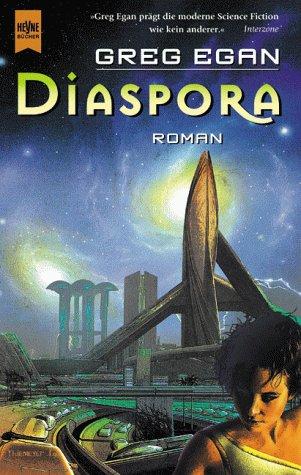
Greg Egan writes hard sci-fi like a QA engineer testing the outer limits of what physics allows, and this is the book where that instinct finally outruns the story underneath it.
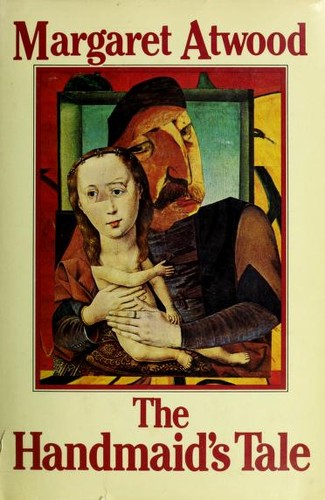
Margaret Atwood builds a dystopia entirely out of things that have actually happened somewhere, which is exactly why it's still the scariest book on my shelf.

Hermann Hesse imagines a secular monastic order built entirely around a game that synthesizes all of human knowledge, and never quite tells you what the game actually is.
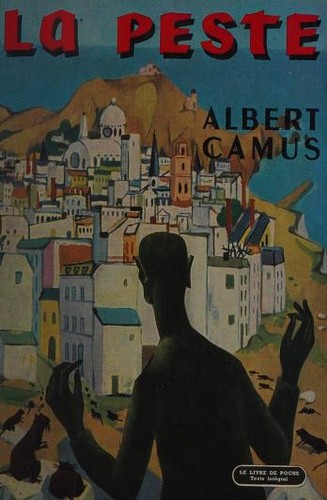
Camus quarantines an entire city and studies how ordinary people actually behave under a slow, faceless disaster, deliberately flat where you'd expect drama.
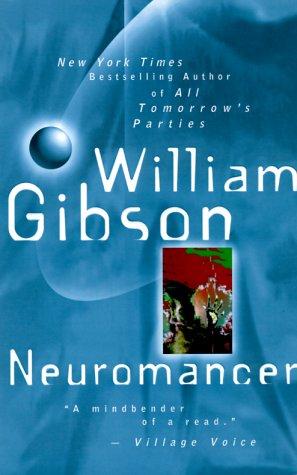
William Gibson invents the word cyberspace and then refuses to explain a single piece of jargon, and somehow the confusion is part of why it works.
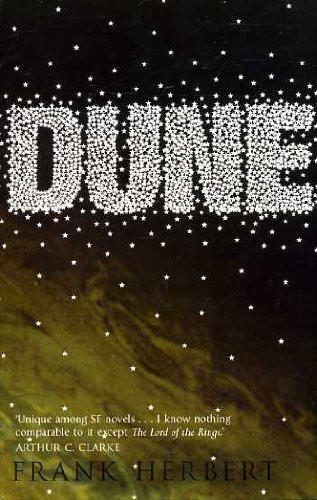
A desert planet, a spice economy, and a kid turning into something like a god, still the book every other political sci fi epic gets measured against.
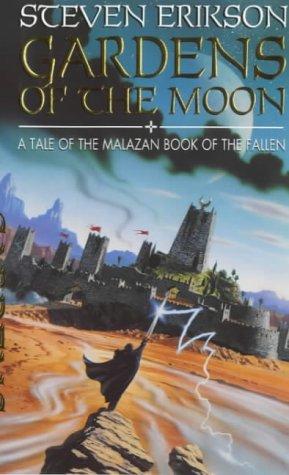
Steven Erikson drops you into Gardens of the Moon with zero exposition and ninety-plus named characters, and whether that reads as thrilling or exhausting seems to depend entirely on the reader.
Mervyn Peake's sprawling gothic castle novel, gorgeous sentence by sentence and genuinely slow chapter by chapter, a book you experience more than you read.
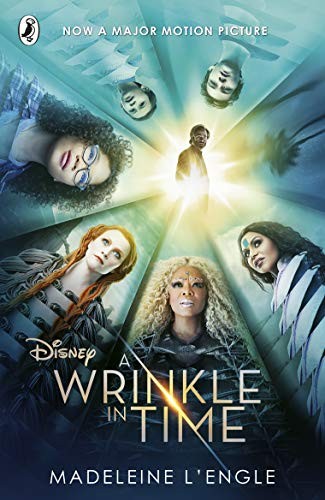
A kids' book about tesseracts, three strange old women, and a math genius named Meg, still charming as an adult reread even when the religious framing gets heavy handed.
Édouard Glissant's dense, poetic theory of identity and relation, a book I picked up expecting a slog and finished underlining half the pages.
Essays
Games like Guards of Atlantis II live in a small, specific lane. Trials of MAYA just walked into it.
Summoner Wars has one of the best ideas in two-player gaming. Every card in your hand is two things at once: a unit you could summon, or the magic you burn to summon something else. Every draw is a small dilemma, and the game is essentially a long argument with yourself about what to throw away.
Science fantasy is easy to recognize and annoyingly hard to define. A starship can sit beside a prophecy, and a magic-like power can obey rules that feel more like physics than sorcery.
Solo modes are everywhere now and I own a few. What I won't do is run an actual multi-session legacy campaign by myself, and I've finally worked out why that specific line matters to me.
Ruth has mentored me at the firm for seven years, which apparently qualifies her to critique a board game's floor plan before she's finished her first turn.
Seven years of sitting next to the same coworker turns into a specific kind of friendship, most of it conducted in the fifteen minutes between when the last drawing gets submitted and when we actually leave the office.
I bought half of an old duplex specifically because it needed work, which sounded like a reasonable plan right up until the actual work started arriving on its own schedule instead of mine.
Nothing about the games or the books this week, just an ice dam, a leak I found at 11pm, and everything I know about roofs that I wish I didn't have to actually use on my own house.
A rules argument at game night got bad enough that I did the only thing I know how to do when two people disagree about how a document should be read: I marked it up like a construction set.
I gave a game five stars the week I first played it and quietly changed my own mind a year later, which felt worse than just being wrong the first time.
Every game and book I finish gets logged in the same kind of notebook I use for site sketches, and I've never actually questioned why until someone asked me to explain it out loud.
Somewhere along the way, price-per-play stopped being a joke I made about my own spending habits and became an actual filter I run every purchase through, and I've traced it back to one very specific client meeting.
My sister mails me books she thinks I'll like without ever asking first, and my track record of actually loving her picks has gotten uncomfortably high given how little say I get in the matter.